Find your perfect B&B bed and breakfast and farm hotel room in San Gimignano, a stone’s throw from Firenze and Siena, to live your Italian holiday in full.
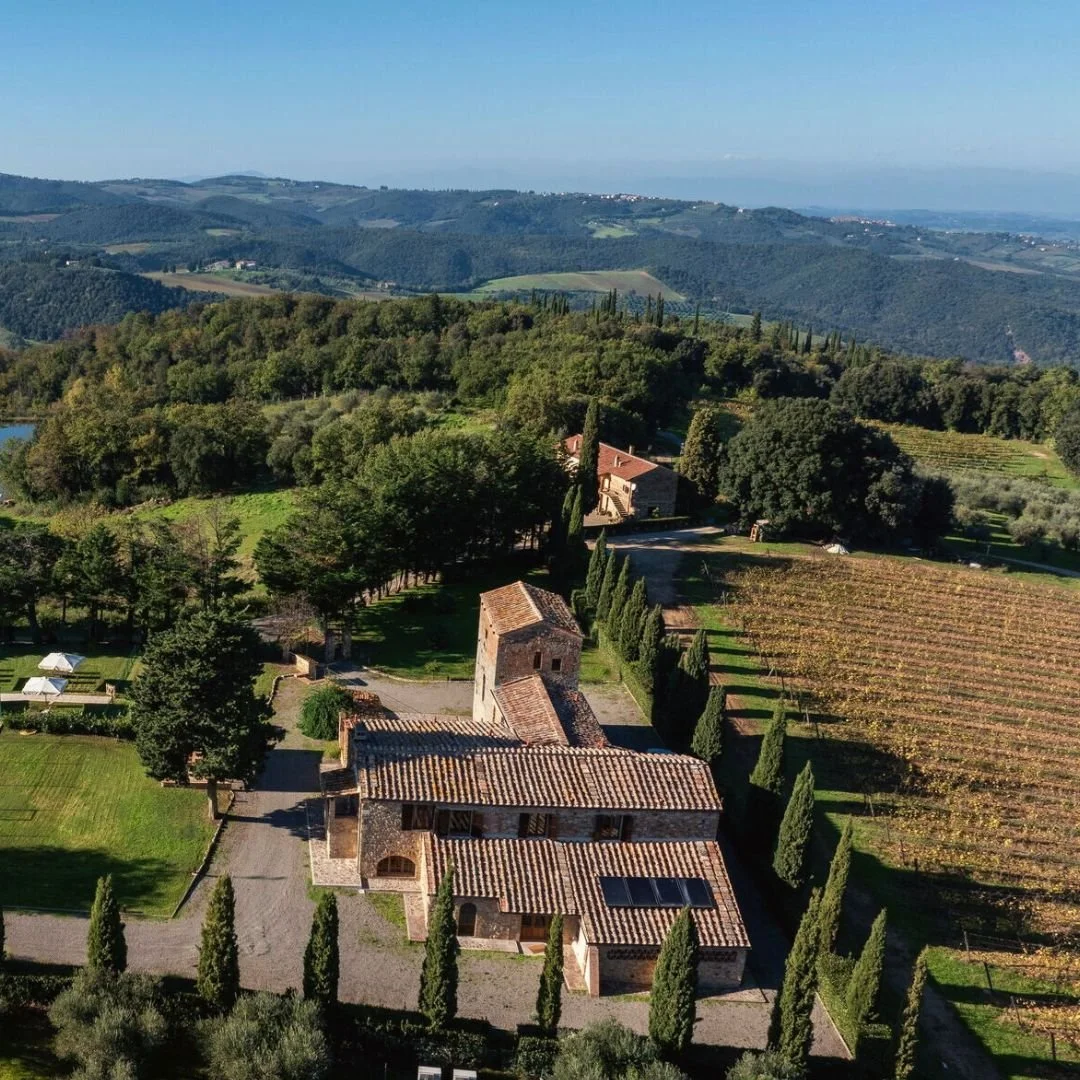
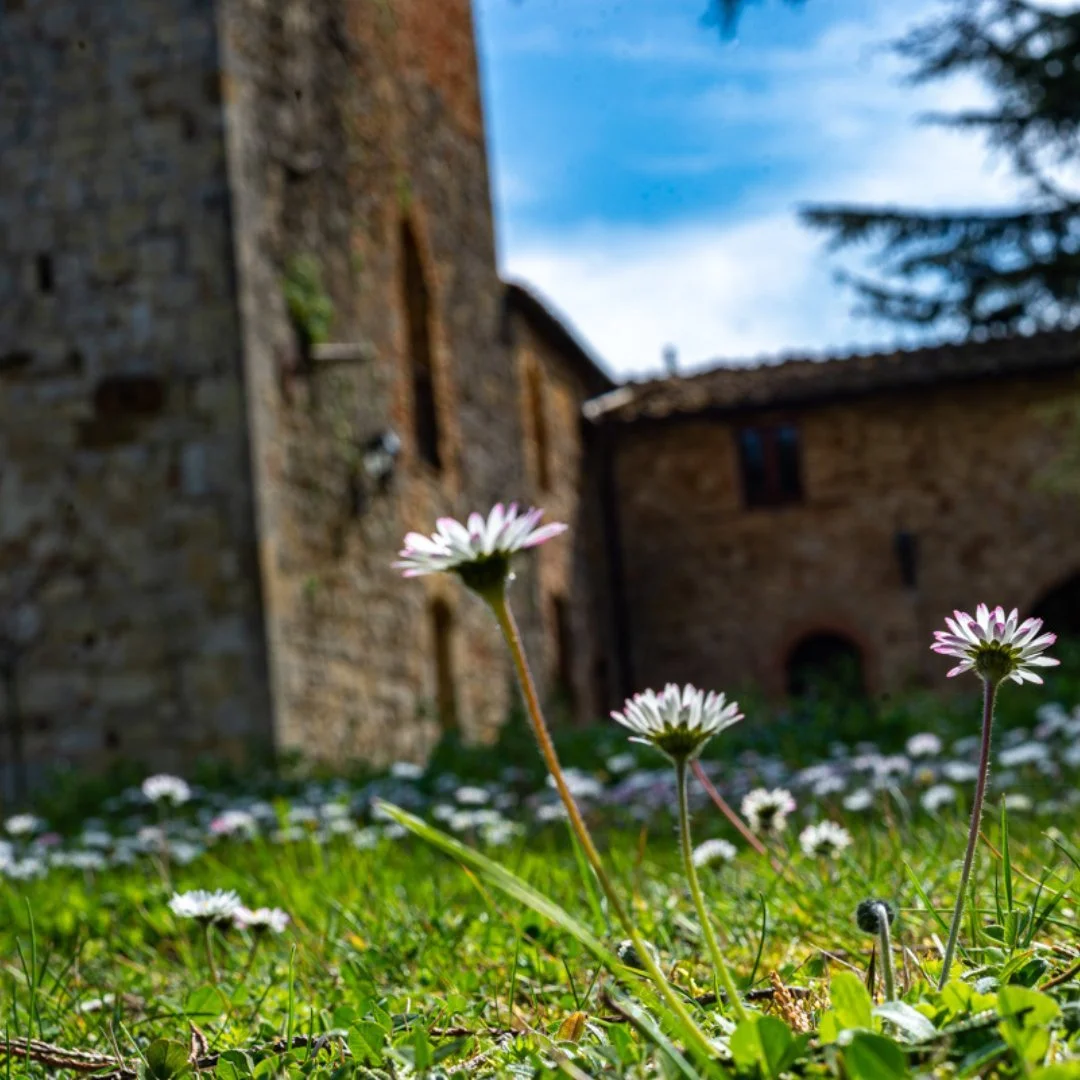
The rooms are located within the Tower of Larniano, a medieval watchtower built over eight centuries ago on Etruscan foundations and later incorporated into the farmhouse. Over the Centuries the Tower has been inhabited by generations of farmers who modeled the spaces according to their housing needs.
Today, those who visit the Tower find a large country residence full of history and charm, surrounded by beautiful olive groves and vineyards inhabited by hares, pheasants and other wild animals. The interiors feature details of great value, such as a 1600 A.D. fireplace, numerous antiques and a magical reading room placed at the top floor where time seems to have stopped.
In front of the structure, in a spacious and sunny garden, there is a beautiful panoramic swimming pool equipped with umbrellas and chairs.
The seven double rooms have a private bathroom and a king size bed and look out on the beautiful Tuscan countryside. In some rooms an extra single bed can be added upon request, against a premium price.
Breakfast is served inside the Tower of Larniano.
Find your perfect apartment for rent in our farm hotel room in San Gimignano, a stone’s throw from Firenze and Siena, to live your Italian holiday in full.
The village of Larniano includes some ancient farmhouses subdivided, following a careful restoration, into apartments offered to guests in farmhouse mode: the location in the heart of the purest Tuscan countryside, ancient furnishings and proximity to the centers of food and wine production excellence, like the wine and olive oil of our estates.
Enjoy our Tuscan villas, the perfect venue for your Italian holiday.
Our villas are ancient medieval and renaissance buildings, typical Tuscan farmhouses completely restored with a profound respect for original materials and comfortably furnished in the style of elegant country residences. They are located in the hills covered with vineyards and olive groves in the immediate vicinity of San Gimignano, where Tuscany's nature is most pure.
If you are fascinated by the Palio di Siena, here is a unique chance to watch it from a priviledge point of view. Book our apartment overlooking Piazza del Campo in Siena.
Larniano is an ancient and pictoresque dwelling but it would be nothing without its wine, oilive oil and its ecellent gastronomic products.
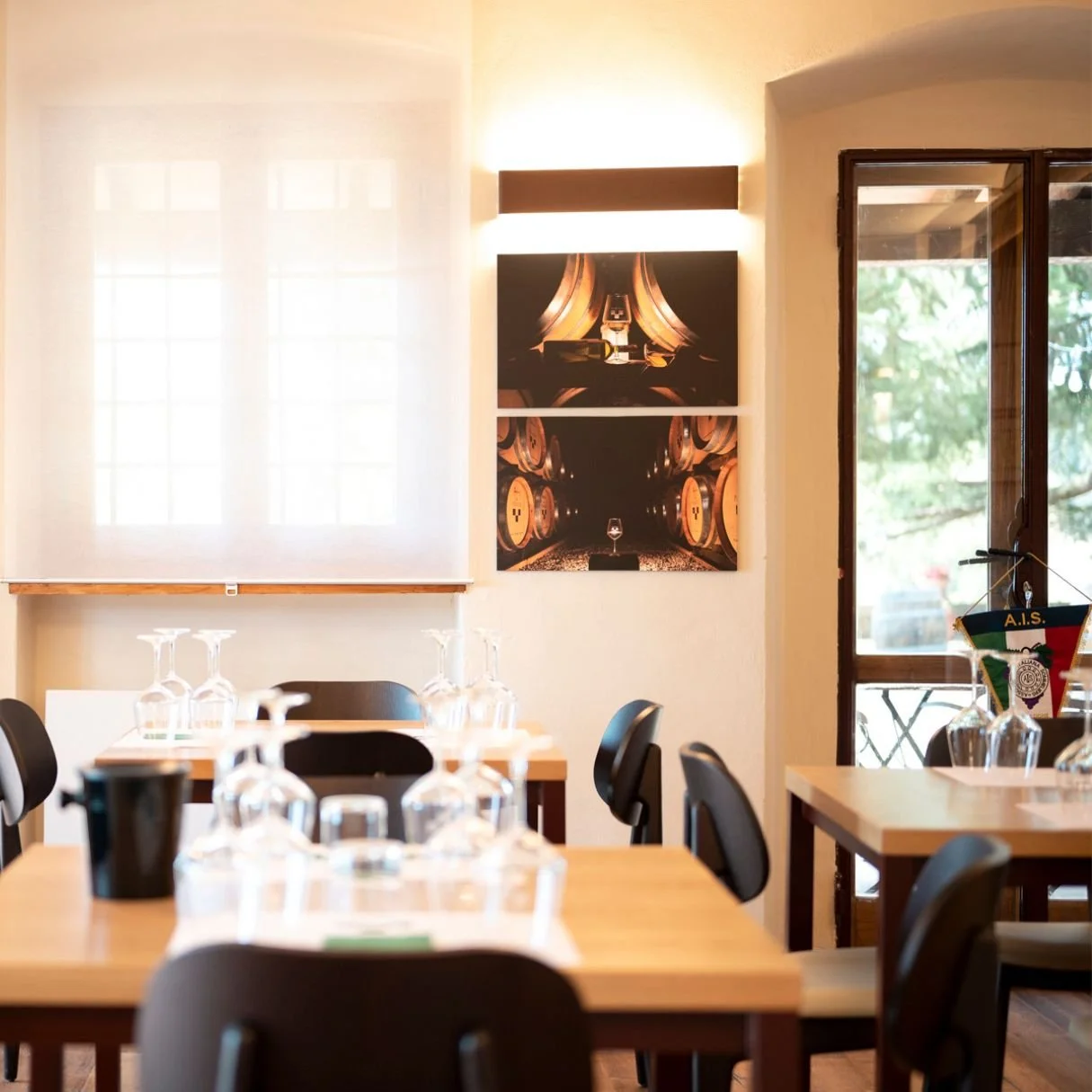
A food and wine tasting in Larniano and a nice walk around the village are the best way to discover its beauty.
Telefono/Telephone: +39 0577 941576